Fractional CTO
Your team is spending two hours on something that should take ten minutes.
You can see it. Systems that don't talk to each other. Workarounds that became permanent. The person who knows how everything works is one resignation away from taking it all with them.
I'm Alex van Rossum — a fractional CTO in Atlanta serving organizations across the metro and beyond. I find the things that slow organizations down. I'm good at finding the problem behind the problem, and making it disappear.
Sound familiar?
These are the situations I walk into.
The accidental CTO
Someone in your org became the go-to for all things technical. They're good at their actual job. They're drowning in this one. And if they leave, everything they know walks out the door.
The stalled migration
You started moving platforms — Salesforce, AWS, whatever — and it's been months. Maybe years. Progress reports sound optimistic. The actual state of things doesn't match.
The AI question
Everyone says you should be using AI. Some teams already are — maybe well, maybe not. Nobody's evaluated whether it's actually helping, and nobody knows where it should go next.
Services
I'm not the doer. I'm the one who knows what needs to be done.
Diagnose the problem, architect the fix, guide your team through execution. If you have people who can do the work, the deliverable is clear instruction. If you don't, I bring in the right people and direct it.
Architecture
Audit existing systems, map dependencies, identify governance gaps. The deliverable is a clear picture of how things actually work — not how someone remembers building them.
AI Strategy
Figure out where AI actually fits — and where it doesn't. Not chatbot demos. Retrieval infrastructure, agent workflows, automation pipelines, and the governance to keep them honest.
Platforms
Salesforce, AWS, complex integrations — platforms fail from governance gaps, not technical limitations. Evaluate what you have, fix what's broken, build the guardrails that prevent the next mess.
Team Strategy
When to hire, what to hire for, and how to structure a technical team that doesn't depend on one person knowing everything. Eliminate single points of failure.
Crisis Response
Something broke, someone left, or three years of decisions just caught up with you. Stabilize first, then diagnose, then build the path out.
Web Builds
Static site architecture for marketing sites and content platforms. WordPress-to-Astro migrations with perfect Lighthouse scores, edge deployment, and structured SEO. The site you're on is the proof.
How it works
The first thing is calm.
Nobody's touching anything until the full picture is clear. Discovery starts on-site — based in north metro Atlanta — then diagnosis, then action. You see the findings in real time — not a black box.
Discovery
Walk in. Listen. Interview your people, map your workflows, audit your systems. The first thing is calm — no one's touching anything until the full picture is clear.
Diagnosis
Document what's actually happening, where it breaks, and why. You see the findings in real time through a shared portal — not a black box that delivers a slide deck in six weeks.
Recommendations
Process improvements, architecture changes, and a prioritized plan for what to fix first. Honest about what's recoverable and what needs to be rebuilt.
Execution Guidance
Your team executes the changes with clear instruction. If you don't have the people, I bring in contractors and direct the work. Either way — you own the result.
Handoff
Documentation on how to maintain what was built. The goal is independence — not a dependency on me. Available as needed after that.
Engagement models
The goal is your independence.
Every engagement is designed to end. Not because it failed — because the handoff was always the plan. You get the fix, the documentation, and the ability to maintain it without me.
Discovery & Diagnosis
Intensive on-site discovery — interviews, workflow mapping, systems audit. You get a living document of how your organization actually works and where it needs to change.
Immersive first week, then tapering on-site presence as the picture clarifies.
Hands-On Project
Scoped engagement with defined deliverables. Architecture the solution, guide the execution — whether that's your internal team or contracted specialists.
Defined scope, clear milestones, built-in handoff plan.
Advisory Retainer
Ongoing availability for problems as they surface. Not always-on — a capped monthly commitment for strategic guidance and technical decision-making.
Capped hours per month. Available when you need a second opinion that understands your systems.
Comparison
The alternatives, honestly.
| Fractional CTO | Full-time CTO | Dev agency | "The person who knows" | |
|---|---|---|---|---|
| Cost | Hourly + startup cost. Pay for what you use. | $250k–$400k/yr salary + equity + benefits | Project-based. Often scope-locked. | "Free" — until they burn out or leave |
| Strategic depth | Architecture, governance, team structure, AI strategy | Same — if you can find and afford the right one | Limited to project scope. No org-level strategy. | Varies. Usually deep in one area, blind in others. |
| Availability | Tapering engagement — heavy early, lighter over time | Full-time, dedicated | Engaged for project duration only | Full-time — but splitting with their actual job |
| Knowledge transfer | Built into the process. Documentation is the deliverable. | Depends on the person. Often lives in their head. | Minimal. You get the project, not the understanding. | Single point of failure. "Call Dave, Dave knows." |
| Exit plan | Designed to leave. Handoff is the goal. | Expensive to replace. Knowledge walks out the door. | Contract ends. Support ends. | No plan. They quit, and everything stops. |
Related reading
How I think about these problems.
Every Management Failure Is a Retrieval Failure
The diagnostic framework behind most of what I fix. If you read one thing, read this.
I Manage AI Agents the Way I Manage Teams
How AI governance maps directly to team management disciplines.
Cognitive Property: Who Owns the Way You Think?
The emerging question about AI-assisted work that nobody is asking yet.
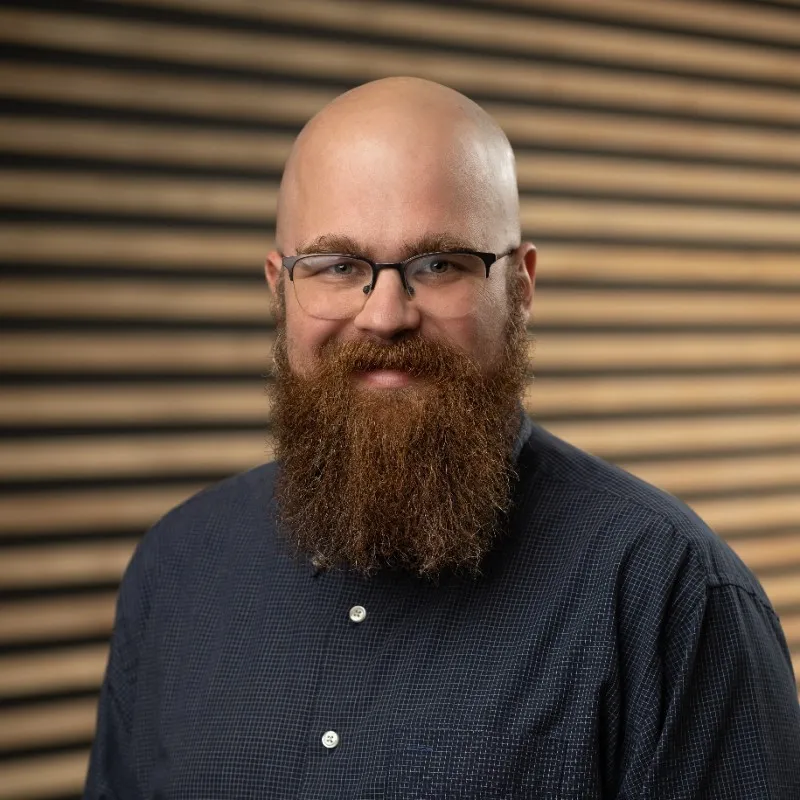
Alex van Rossum
Fractional CTO & AI Systems Architect. Based in metro Atlanta. Seven years leading technical operations for a digital agency — managing infrastructure, directing contractors, governing platforms, and building the systems that kept a multi-client operation running. The case studies on this site are the evidence.
Full backgroundFAQ
Common questions.
What does a fractional CTO actually do?
Diagnose what's slowing your organization down, architect the fix, and guide your team through execution. The value is knowing what needs to be done and why — not being another pair of hands writing code.
How is this different from hiring a dev agency?
An agency builds what you tell them to build. A fractional CTO figures out what should be built in the first place — and whether building is even the right answer. The work is strategic, not transactional.
How long does a typical engagement last?
It depends on the size of the problem. Discovery takes weeks, not months. After that, the engagement tapers as your team takes ownership. The goal is independence, not a long-term dependency.
Do you write code or just advise?
Both, depending on what the situation needs. But the primary value is diagnosis and architecture — knowing what to build, not being the one who builds all of it. If your team can execute, I provide the instruction. If you need hands, I bring in contractors and direct the work.
What size organization is this for?
Typically 10 to 50 people. Big enough to have real systems problems, small enough that one person can actually move the needle. The common thread is organizations that know something is wrong but don't have the technical leadership to diagnose and fix it.
What does the AI emphasis mean in practice?
Organizations are either not implementing AI, implementing it poorly, or over-implementing it and trusting it to solve everything. I advise on where it actually fits, fix what's misapplied, and provide implementation recipes — not slide decks.
Tell me what you're dealing with.
No pitch deck. No 30-minute discovery call just to qualify you. Tell me the situation, and I'll tell you whether I can help.
You're writing to Alex van Rossum — fractional CTO, metro Atlanta. I read every intake personally and respond within one business day.